From primary source critical analysis to deep contextual inquiry, we’re committed to your foundations
Artificial Intelligence
Academic conferences, scholarly dialogues, research papers, and curated archives drive deep intellectual outcomes
Additional Topics
Research projects co-developed with leading subject scholars and academics and aligned to civilizational
What we do
Studies of Shastras, Practices & Systems
Explores India’s traditional knowledge systems, scriptures, and interpretative frameworks across philosophy, ritual, arts, language, and embodied practices. This area examines how these systems shaped cultural continuity, social structures, and intellectual traditions.
Aryan / Dravidian Issues
Studies the historical, linguistic, cultural, and political dimensions of Aryan–Dravidian discourse. It examines competing theories, identity formation, Tamil intellectual traditions, and their influence on modern South Indian society and politics.
Jati, Varna & Caste
Investigates the evolution of caste structures, social identities, and traditional frameworks in Indian society. The field also studies contemporary debates, reform movements, and genetic or historical research surrounding social unity and diversity in India.
Women’s Studies
Focuses on the role of women in Indian society across history, family structures, cultural practices, and contemporary life. It also examines changing gender narratives, social reforms, and the impact of modern feminist thought.
Relationship of Buddhism, Jainism & Hinduism
Explores the philosophical, historical, and cultural interactions between India’s major dharmic traditions. The field studies shared ideas, debates, influences, and the evolution of religious practices over time.
Indian Social Fault Lines, NGOs & Foreign Nexuses
Examines social divisions, activism, and the role of institutions, NGOs, and foreign influence in shaping public discourse and policy in India. It studies how identity, politics, and external narratives intersect within Indian society.
Western Indology & Western Universalism
Critically studies Western academic approaches to Indian civilization, texts, and traditions. It explores themes such as philology, postmodern theory, Orientalism, and debates around representation, interpretation, and cultural frameworks.
Modern South Asian Studies in the West
Analyzes how South Asia is studied and represented in Western academia, think tanks, churches, and policy institutions. It investigates the influence of funding, geopolitics, and intellectual frameworks on these narratives.
Minority Studies
Focuses on the history, identity, and socio-political dynamics of minority communities in India, especially those with transnational religious or cultural connections. It studies relationships between local traditions, global institutions, and national identity.
Study of Inculturation, Digestion & Related Socio-Politics
Examines how Indian ideas, traditions, and spiritual systems are adapted, reinterpreted, or absorbed into other cultural and religious frameworks. It also studies the socio-political implications of cultural appropriation and transformation.
Chronology of Ancient History
Investigates timelines, historical dating methods, and interpretations of ancient Indian civilization. This field studies archaeological, textual, astronomical, and cultural evidence to reconstruct historical continuity and chronology.
Jati, varna and caste
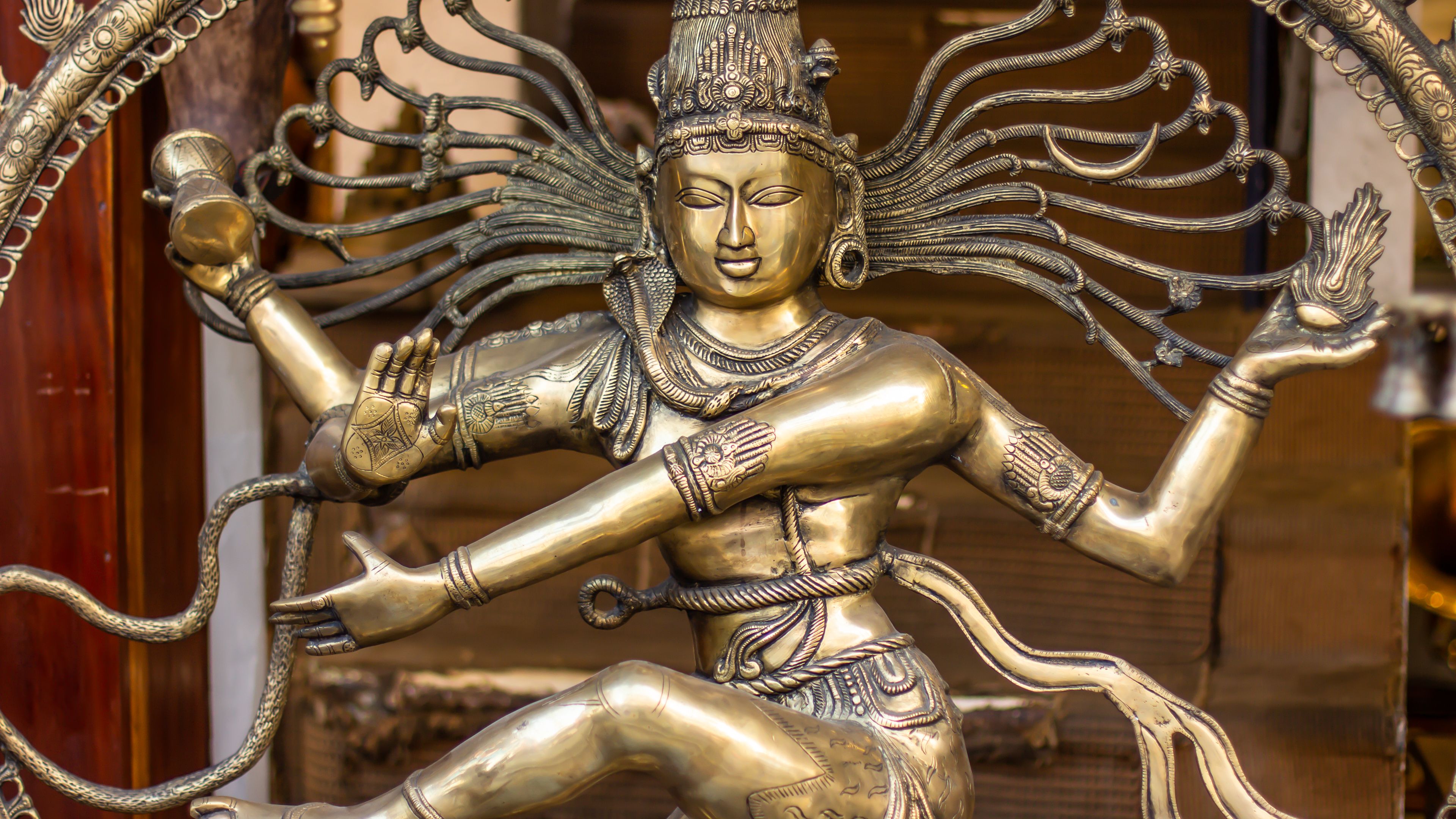
Itihasa, Puranas, Agamas, Natya Shastra, Nyaya, and embodied practices like Tantra and Yoga together express unity across philosophy, arts, language, and lived traditions.
Areas of Study
Swadeshi Indology
Developing indigenous frameworks for the study of Indian civilization, culture, history, and knowledge systems.
Sanskrit Studies
Revitalizing Sanskrit scholarship and preserving the intellectual traditions embedded in classical texts.
Artificial Intelligence & Emerging Technologies
Examining the impact of AI and advanced technologies through the lens of Indian philosophy and ethics.
Consciousness Studies
Exploring consciousness through interdisciplinary dialogue between Indic wisdom traditions and modern science.
Indic Knowledge Systems
Researching India's contributions to philosophy, mathematics, medicine, linguistics, and other knowledge traditions.
Civilizational Studies
Investigating the historical development, continuity, and global significance of Indian civilization.
Decolonization of Knowledge
Challenging colonial and Eurocentric frameworks while promoting indigenous intellectual perspectives.
Dharma & Philosophy
Studying the philosophical foundations of Dharma and their relevance to contemporary society.
Education & Pedagogy
Reimagining education through civilizationally rooted approaches to learning and knowledge transmission.
History & Historiography
Encouraging evidence-based research into Indian history from indigenous and multidisciplinary perspectives.
Social & Cultural Narratives
Analyzing contemporary cultural narratives and their influence on identity, society, and public discourse.
Language & Linguistics
Investigating the role of Indian languages and linguistic traditions in shaping knowledge systems.
Science & Spirituality
Building bridges between modern scientific inquiry and India's spiritual and philosophical heritage.
Future of Civilization
Exploring how ancient wisdom and emerging technologies can contribute to humanity's future development.
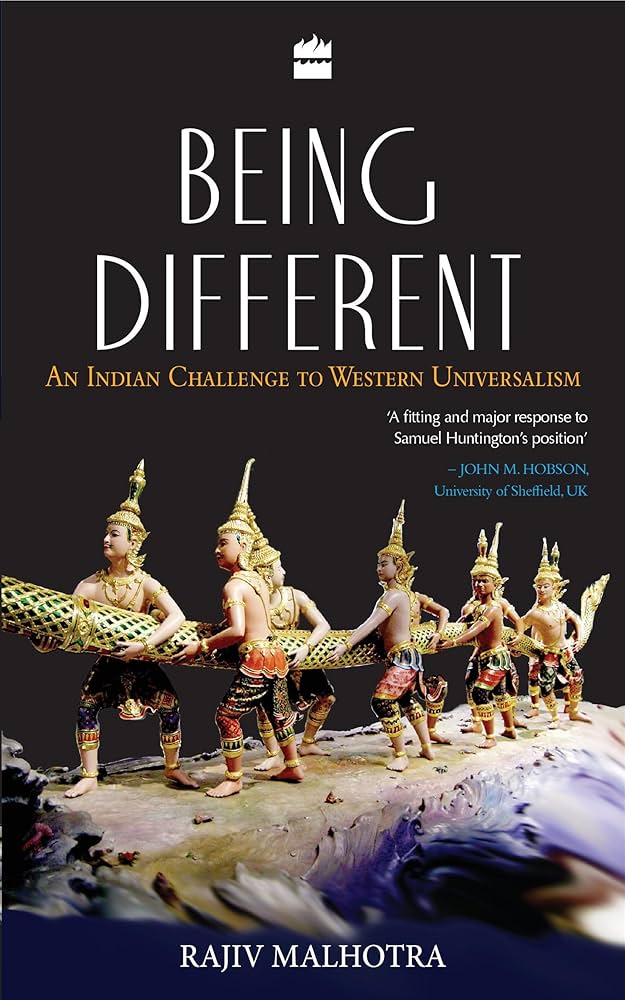
Being Different presents Indian civilization asgrounded in unity, interconnectedness, andspiritual insight—offering a worldview distinctfrom the West’s materialistic lens. It urges India tospeak with civilizational confidence, engaging theworld on its own terms without diluting its uniqueidentity or conforming to Western frameworks.
Breaking India reveals how powerful globalnetworks—academic, religious, andpolitical—create and amplify narratives thatexploit India’s internal fault lines to fragment itsunity.It calls for awareness, intellectual self-defence,and national cohesion—urging Indians torecognize and counter forces that seek to dividethe nation from within.
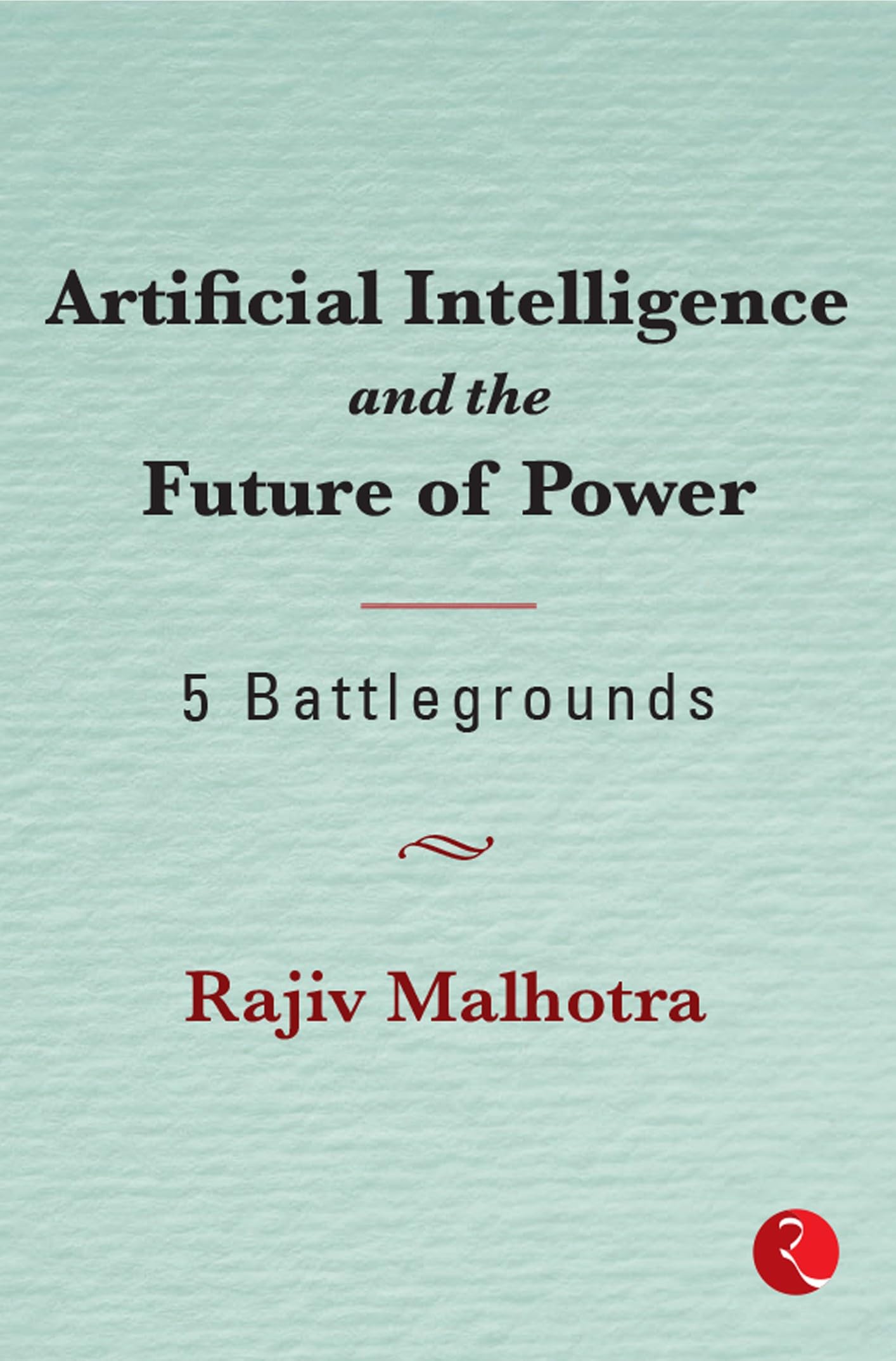
Artificial Intelligence and the Future of Power, first published in 2020, delivers a stark warning: in the age of AI, Large Language Model sovereignty, Control over data and algorithms will define global power—and India cannot afford complacency.
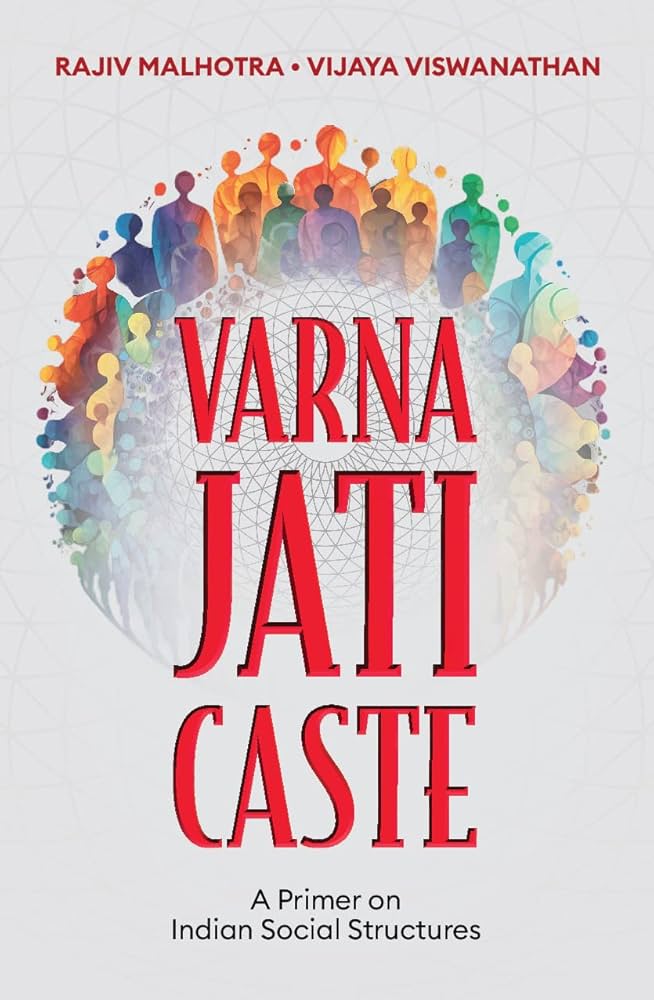
Varna, Jati, Caste delivers a bold re-examination of India’s caste discourse - separating indigenous frameworks from colonial and ideological distortions.
Who Is Raising Your Children? delivers a stark warning: powerful external frameworks—embedded in education systems and digital ecosystems—are shaping the minds and values of India’s next generation.
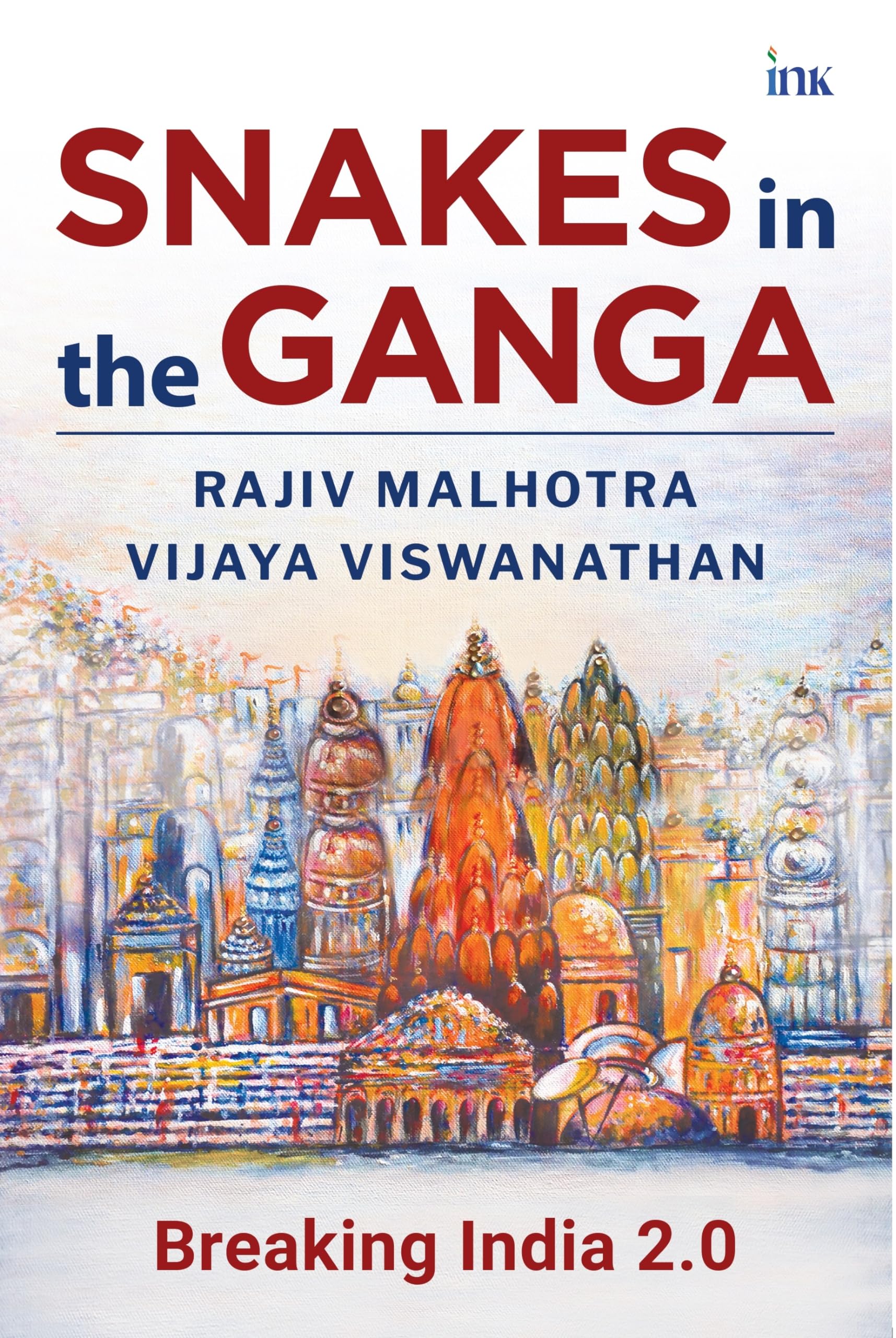
Snakes in the Ganga delivers a hard-hitting exposé of how deep-state networks, sections of Western academia, and influential Indian business elites intersect to shape narratives about India.
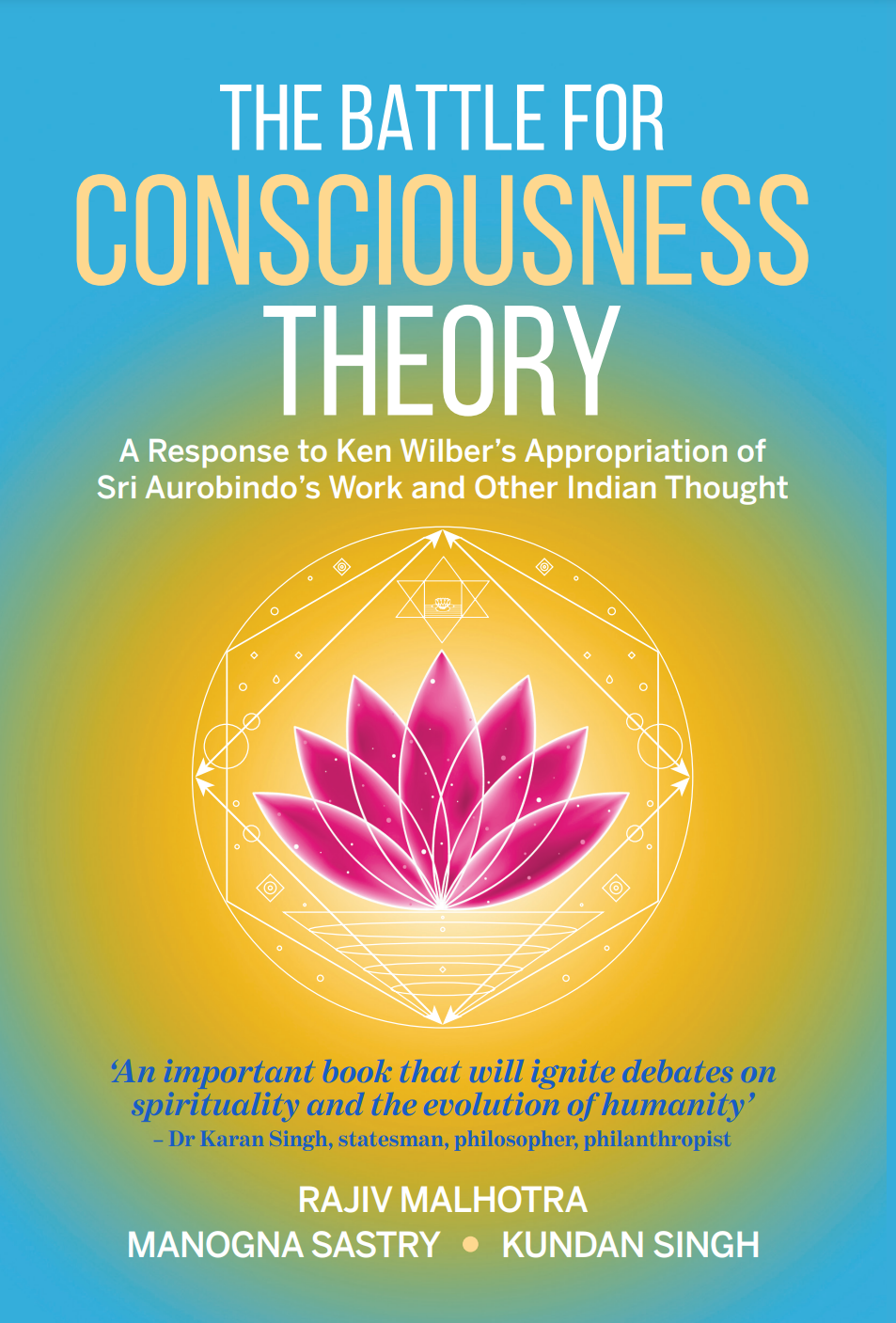
The Battle for Consciousness Theory delivers a hard-hitting critique of how Western thinkers like Ken Wilber have engaged deeply with ideas from Indian masters such as Sri Aurobindo and, according to the author, re-presented similar frameworks within Western intellectual systems without adequate acknowledgment.
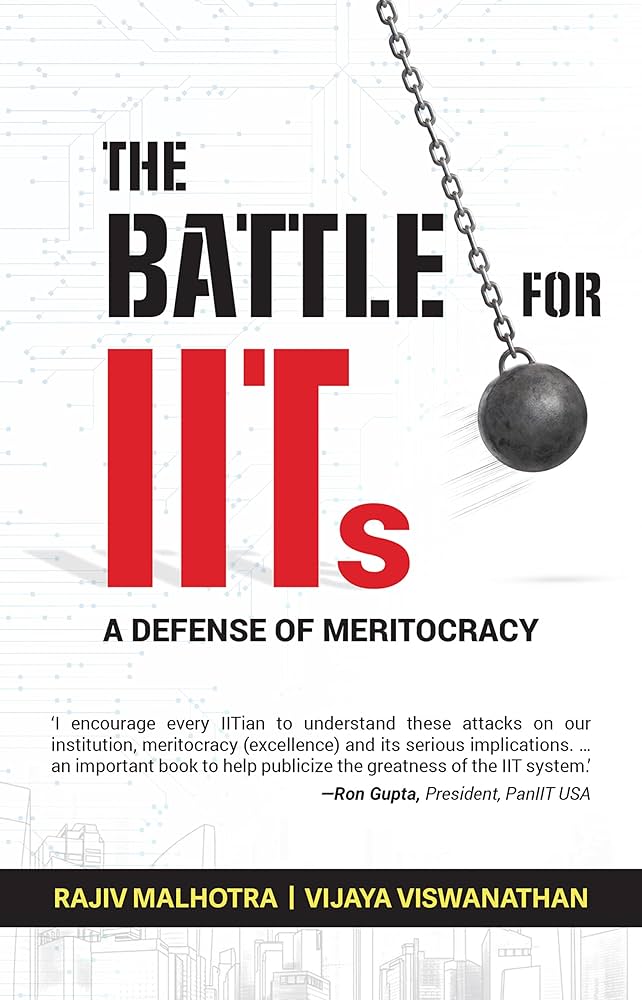
The Battle for IITs exposes how India’s premier institutions are being influenced by biased breaking India ideologies and funding networks that shape research, narratives, and policy directions.
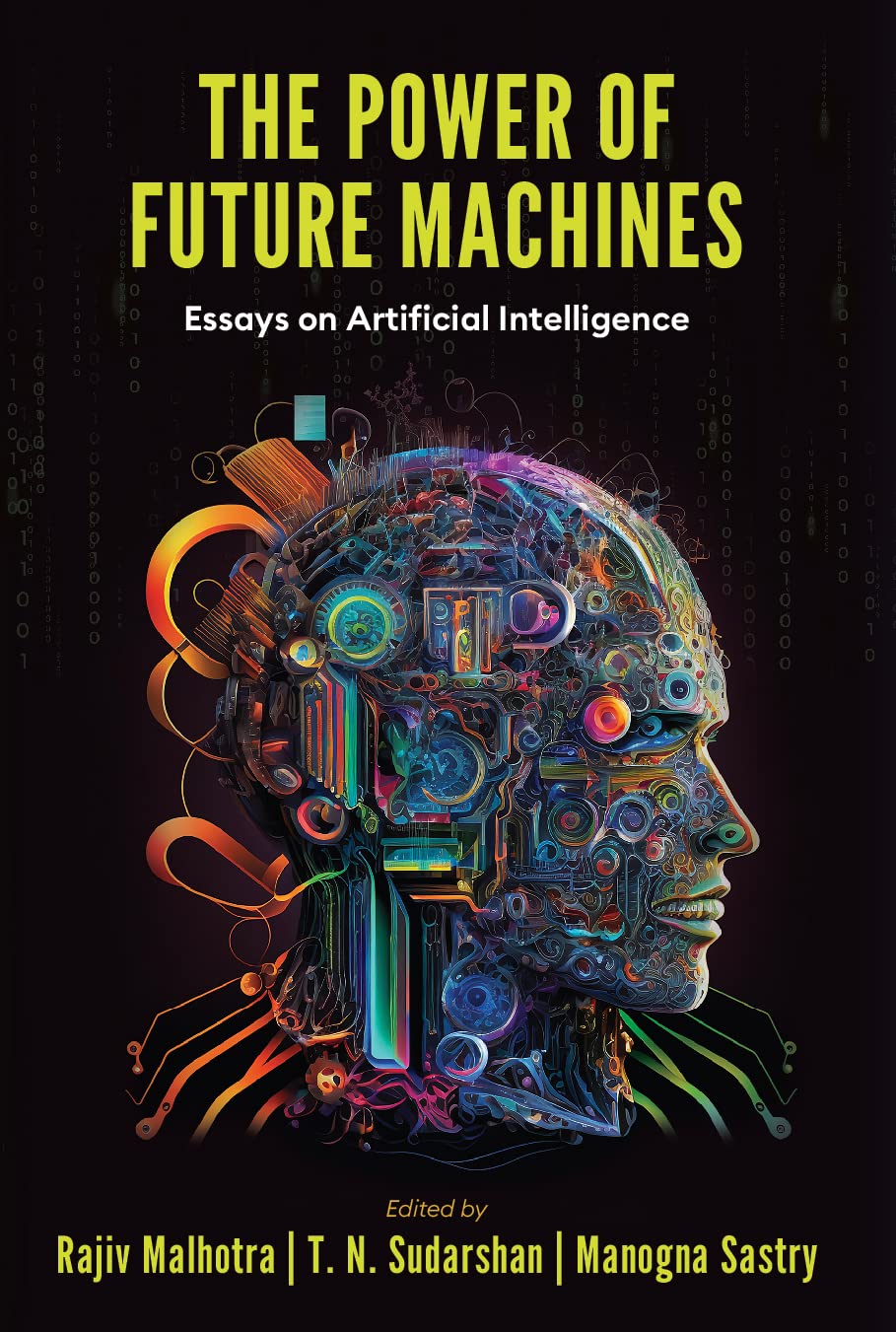
The Power of Future Machines explores how emerging technologies—AI, automation, and digital systems—are redefining power, knowledge, and global dominance.
Ten Heads of Ravana is a hard-hitting exposé arguing that sections of Indian historiography—and some celebrated historians-have selectively ignored evidence and framed India’s past through colonial and ideological frameworks.
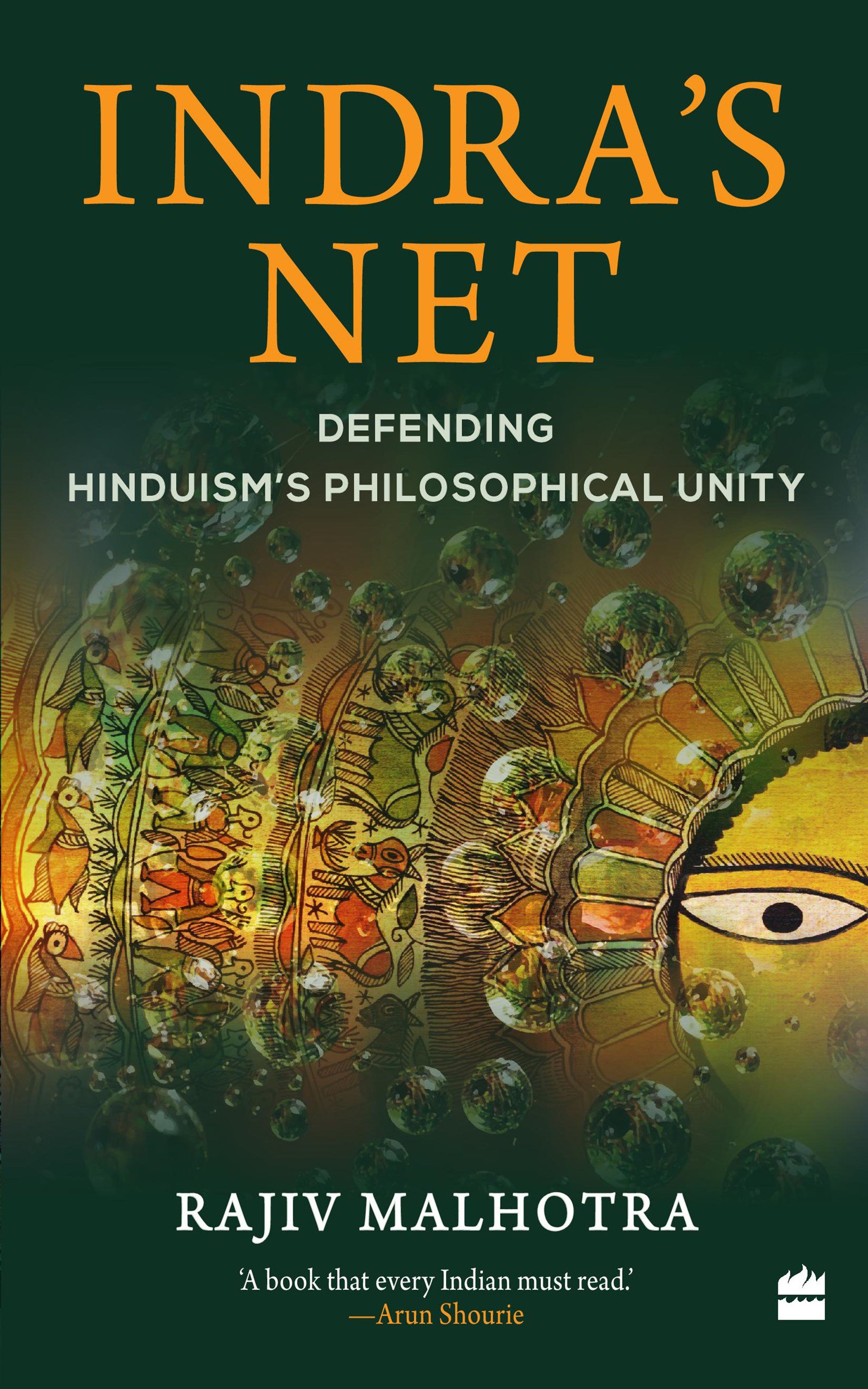
Indra’s Net illuminates the Dharmic vision ofreality as an infinite web of interconnectedexistence—where each self reflects the entirecosmos.It directly challenges fragmented, reductionistinterpretations shaped by Western academicframeworks, revealing a profound philosophy ofunity, consciousness, and sacredinterdependence.A compelling invitation to rediscover and reclaimIndia’s timeless, holistic worldview with depth,clarity, and civilizational confidence.
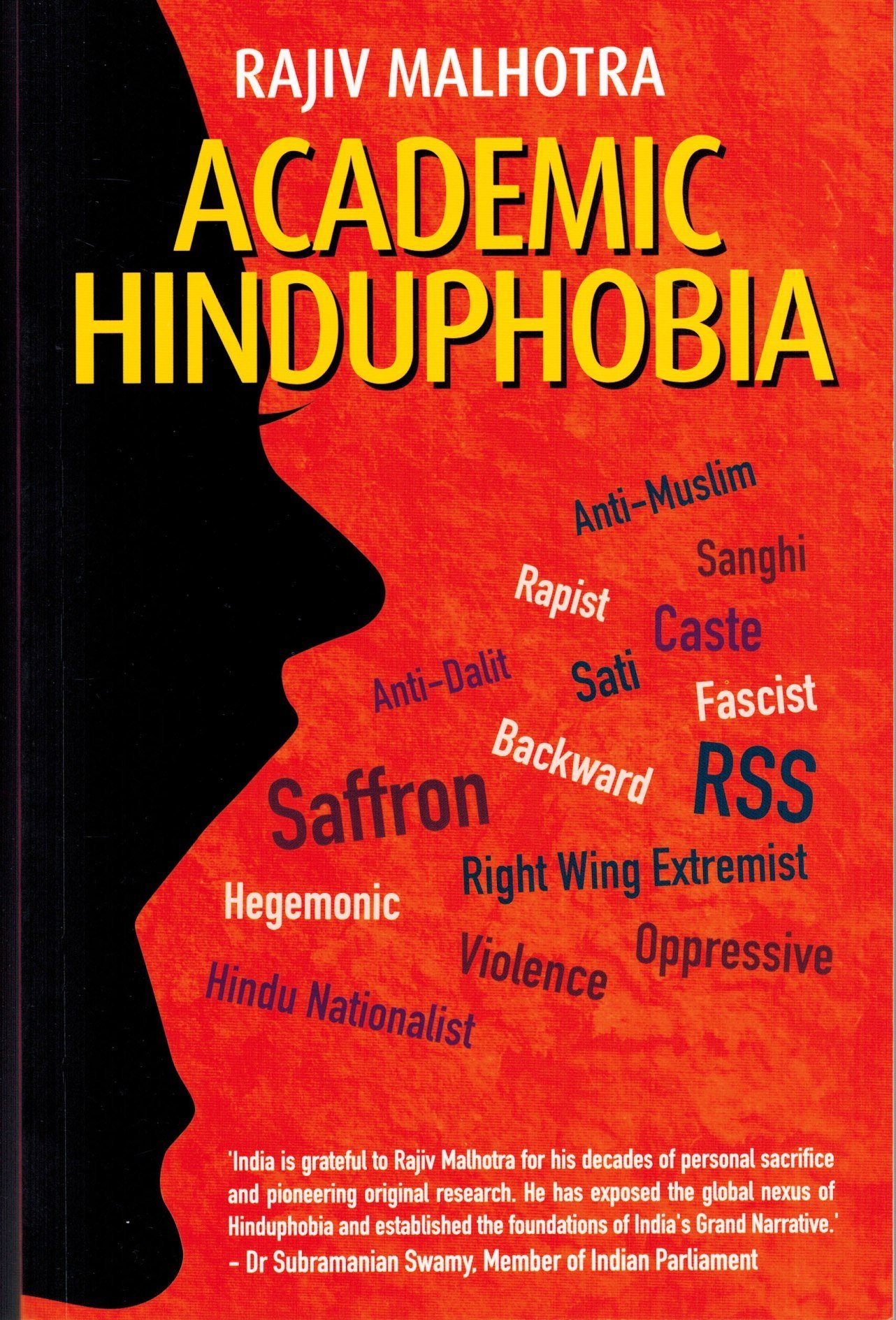
Academic Hinduphobia boldly exposes how sections of Western academia systematically misrepresent and distort Hindu traditions through biased, reductionist frameworks. It confronts the power structures shaping these narratives, urging readers to question, challenge, and dismantle intellectual distortions. A sharp call to reclaim narrative sovereignty and assert the authentic voice of one of the world’s oldest living civilizations.
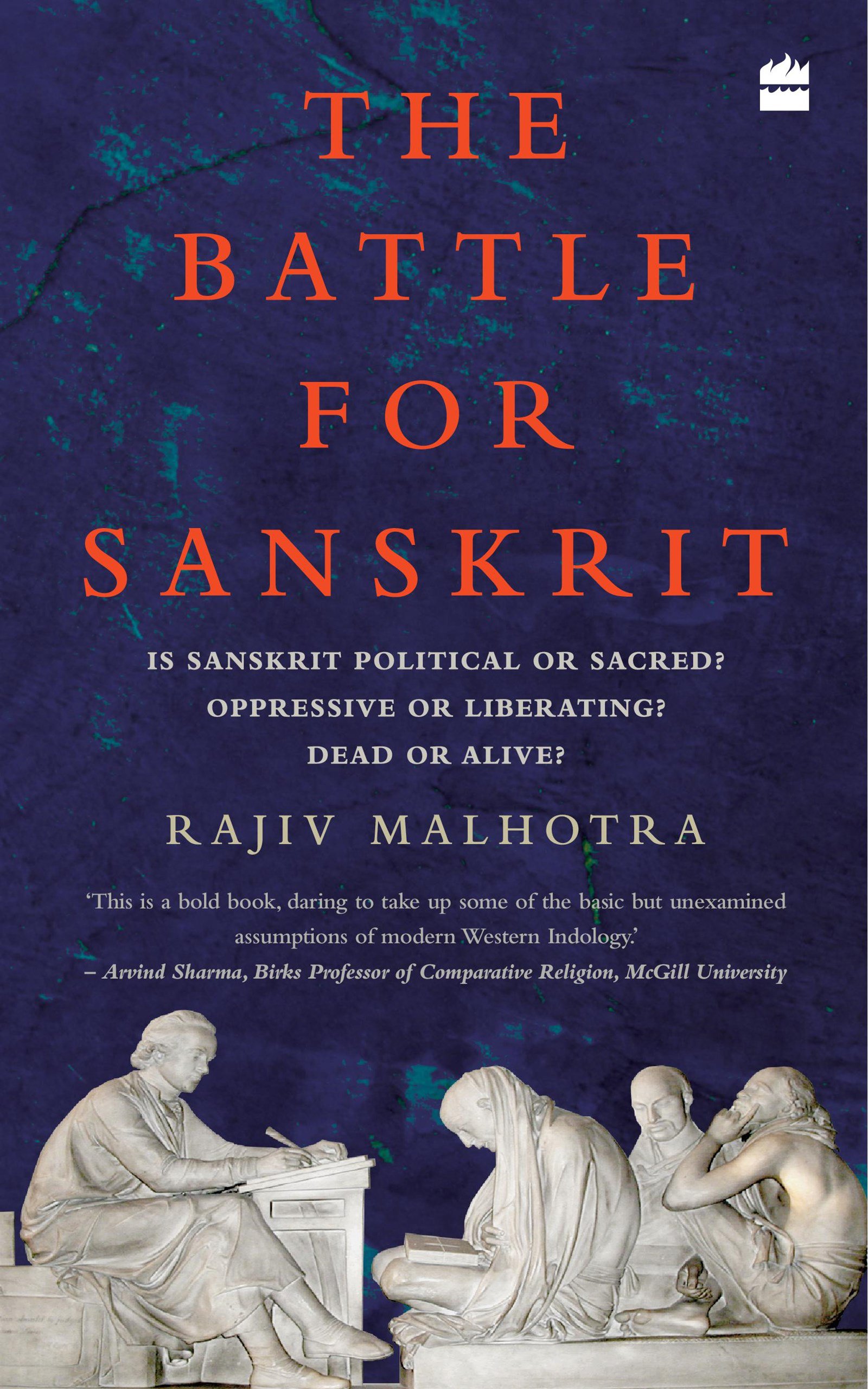
The Battle for Sanskrit uncovers how Sanskrit is being reinterpreted through Western lenses, demonising and distorting its original depth and intent. It urges scholars and seekers to reclaim Sanskrit’s intellectual and spiritual integrity - studying it through indigenous frameworks, not borrowed narratives. A call to protect, preserve, and proudly engage with one of India’s most profound knowledge traditions.
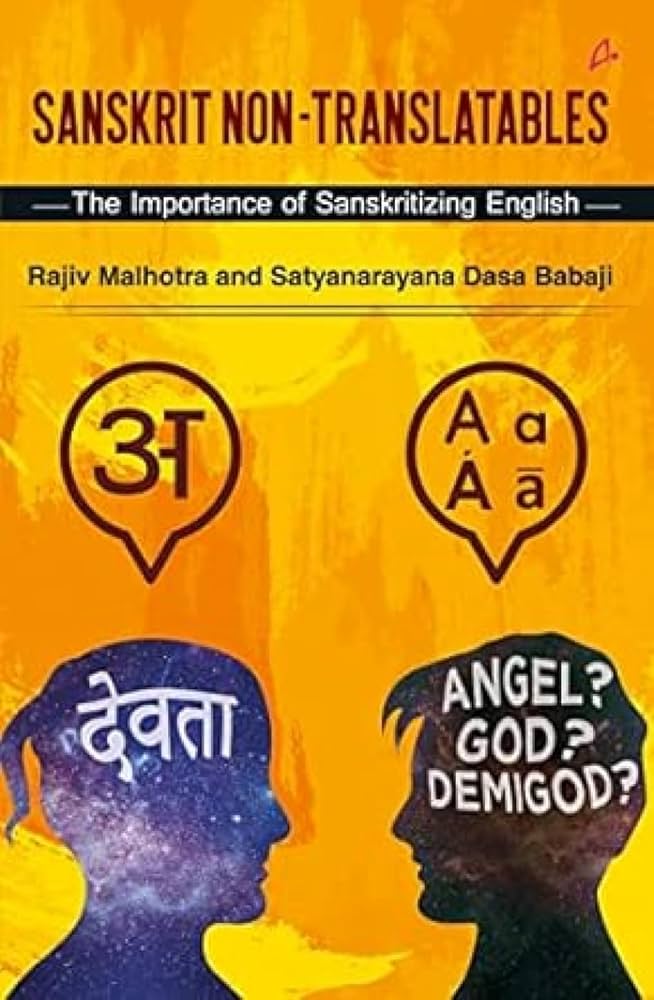
Sanskrit non-translatable unveils the profound depth of Sanskrit terms whose meanings cannot be captured by simple English equivalents. It shows how translation can distort entire knowledge systems—calling for a return to original categories, context, and civilizational insight. A powerful call to preserve the integrity of Sanskrit and engage with India’s wisdom on its own terms.
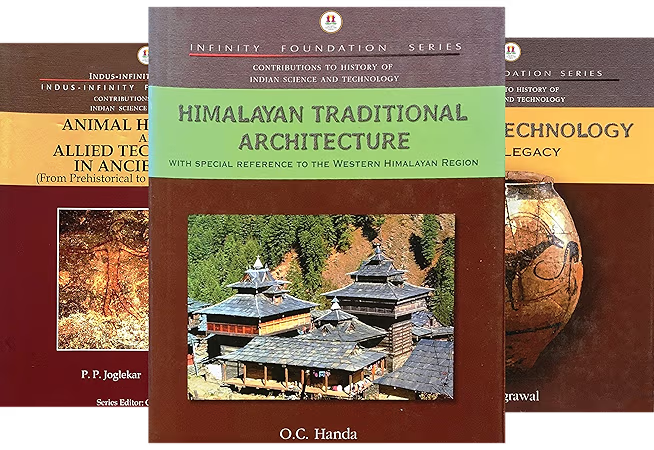
The following series of books are a treasure trove of information and new insights into the advanced state of science and technology in ancient India. The compendium together forms the HIST series - or the "History of Indian Science and Technology" series. The 14 books in the series cover different aspects of the advances made by India's scientists and technologists of the time and serve as a guide to understand the society of the bygone eras.
.png)









.png)