










Advancing Indian Civilization Knowledge.
Research, scholarship and dialogue on Indic knowledge systems and civilizational thought.
Advancing Indian Civilization Knowledge.
Research, scholarship and dialogue on Indic knowledge systems and civilizational thought.
Get in Touch
Get in Touch
Understanding Indigenous Knowledge Systems in a Globalized World
29th July, 2026
Understanding Indigenous Knowledge Systems in a Globalized World
29th July, 2026
Featured Publications

Featured Publications

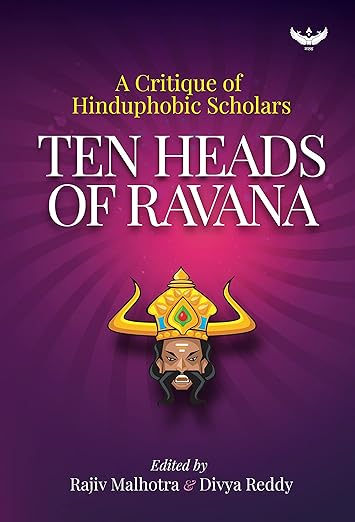
Ten Heads of Ravana
For long, a handful of scholars and intellectual sites, whose understanding of Bhārata is disjointed from tradition and often inimical to the Dhārmic way of life, have controlled India’s civilizational narrative. They analyze Bhāratīya sanskriti through a Western gaze while discarding native models. Embedded in powerful ecosystems, gilded Lankas, they are increasingly replacing traditional guru-s and ācārya-s as the modern adhikāri-s of Indian knowledge systems. In contemporary Indian scholarship, eminent personalities like Romila Thapar, Irfan Habib, Shashi Tharoor, Ramachandra Guha, Sheldon Pollock, Wendy Doniger, Devdutt Pattanaik, Kancha Ilaiah, and Michael Witzel are at the forefront of such India studies. Ravana was a scholar par excellence, but he was on the wrong side of Dharma. Hence, Śrīrāma waged a war against him to prevent a breakdown of society. Similarly, today’s embodiments of the historical Ravana—academically influential personalities, but grossly mischaracterizing the Dhārmic way of life and history of Bhārata. In this collection of essays, authors Dr. K.S. Kannan, T.N. Sudarshan, Dr. Sharda Narayanan, Anurag Sharma, Divya Reddy, Manogna Sastry, Subhodeep Mukhopadhyay and Dr. H.R. Meera have brought to light, through rigorous evidence-based research, numerous factual inaccuracies, wilful misrepresentation and deliberate distortions in the scholarship of many such intellectual heads of the modern Ravana.
Western Indology on Rasa: A Pūrvapakṣa
This volume, being the fourth in the Proceedings of the Swadeshi Indology Conference Series, comprises seven chapters, each being a paper by a separate author. This volume addresses the issue of misinterpretations and misrepresentations commonly found in Western Indology. An analysis of western Indology reveals an ignorance of the Hindu ethos, of complementary bodies of knowledge, basic semantics involving unitary words, compound-words and phrases/sentences, failing even to spot puns that are essential to the appreciation of the text. The Western approach involves the mapping of good elements of Indian arts onto the Greek ethos and summarily rejecting the rest of the Rasa Theory propounded in the Alaṅkāra-śāstra as irrelevant to the current times. This volume shows the relevance and claims that it still has much to contribute toward many issues in modern psychology and poetics. There are seven chapters, each being a paper by a separate author.
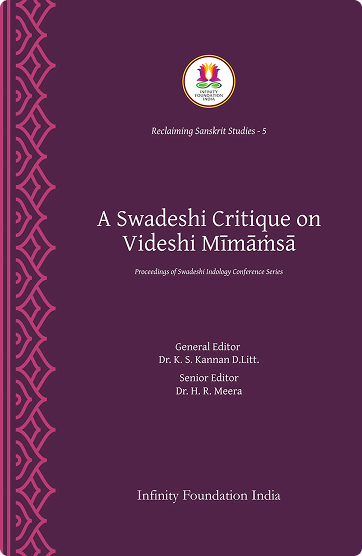
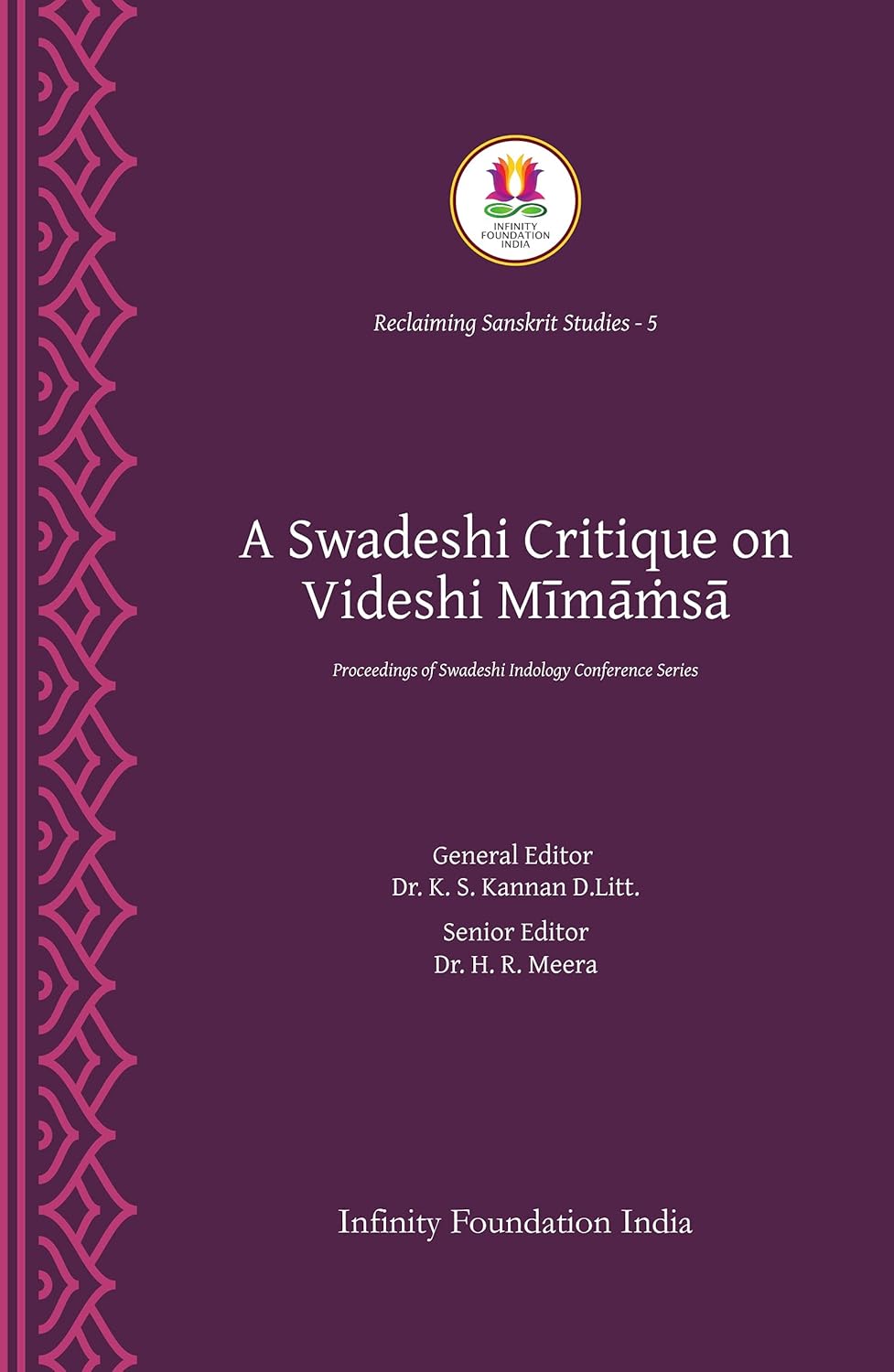
Swadeshi Critique of Videshi Mīmāṁsā
This volume, being the fifth in the Proceedings of the Swadeshi Indology Conference Series, comprises nine chapters, each being a paper by a separate author. It deals with the inadequacies of Western analytical tools when studying Indic civilization that has a wide variety of its own tools and alternate traditions of record keeping; the pervasiveness of sacrality in Indic traditions; the problem of history-centrism of the West earlier highlighted by Rajiv Malhotra; the nature of philology as an exploitative tool of the West with particular reference to Sheldon Pollock’s work; as well as the continued relevance of the Rāmāyaṇa/Itihāsa and potential for new śāstra-s.
View Details →
Breaking India
Bharat Vikhandan is a book that speaks in favour of the latent potential within India and its diverse culture. It argues that the country's integrity is being diluted by three prominent Western cultures and discusses the resulting effects of the process.

This book examines the origins of the famous Dravidian movement that shaped the vast culture of our nation, while also focusing on the Dalit Identity and its current situation. It has been also noted that the book predominantly concentrates on the subordination, surveillance and subversion of Independent India.

Bharat Vikhandan makes for a powerful read while closely observing the changing trends in modern India and questioning the reasons behind its growth and eventual dilution. It makes for an eye-opener and is a wakeup call to the nation as whole, forcing to rethink our priorities and allegiances. It has been praised for its historiographical and confrontational content while refusing to shy away from hard truths that need to be discussed. This book was published by Harper Hindi in 2014 and is available in paperback.

Key Features:

    This is the Hindi translation of the title Breaking India by the same author.

View Details →
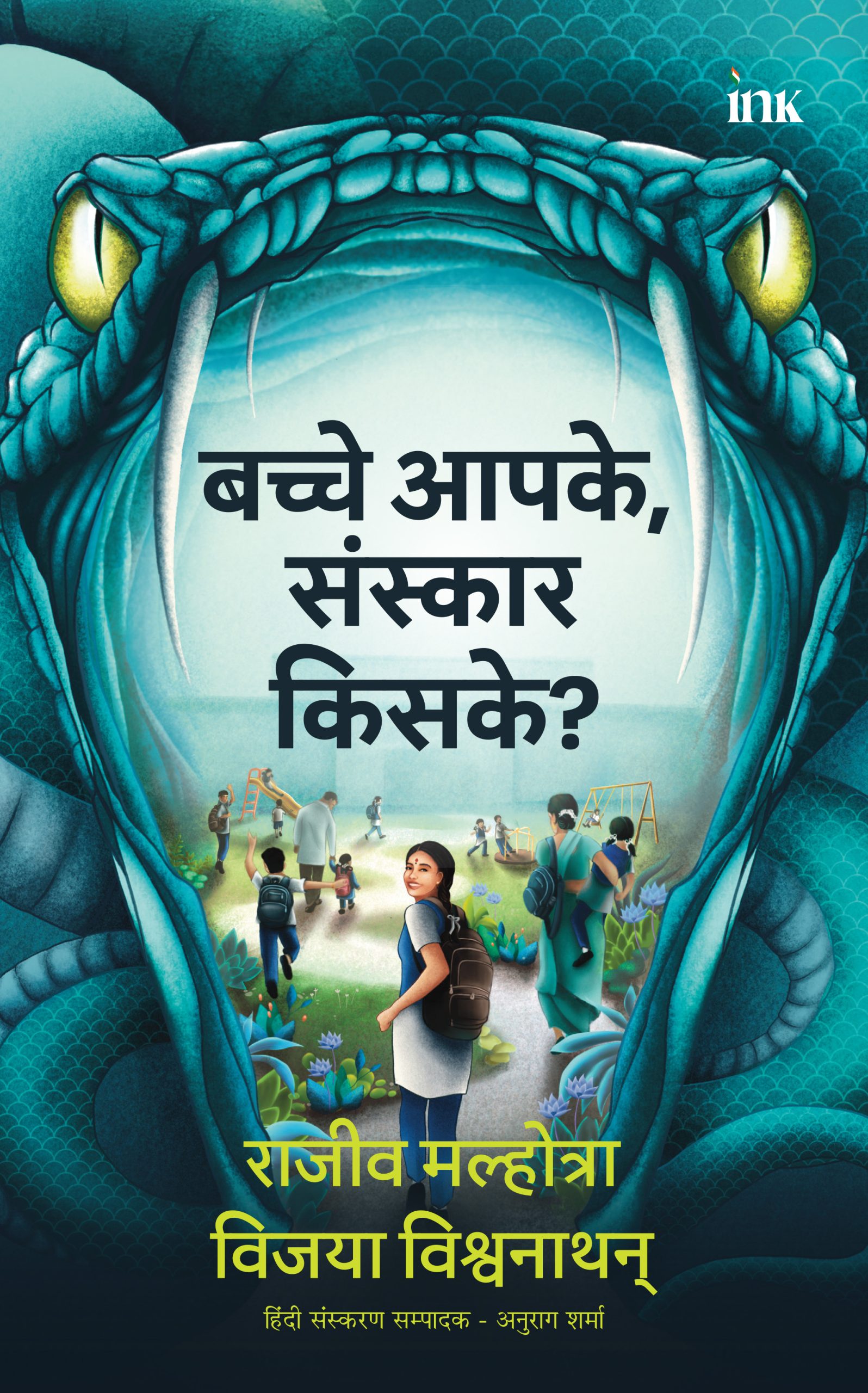
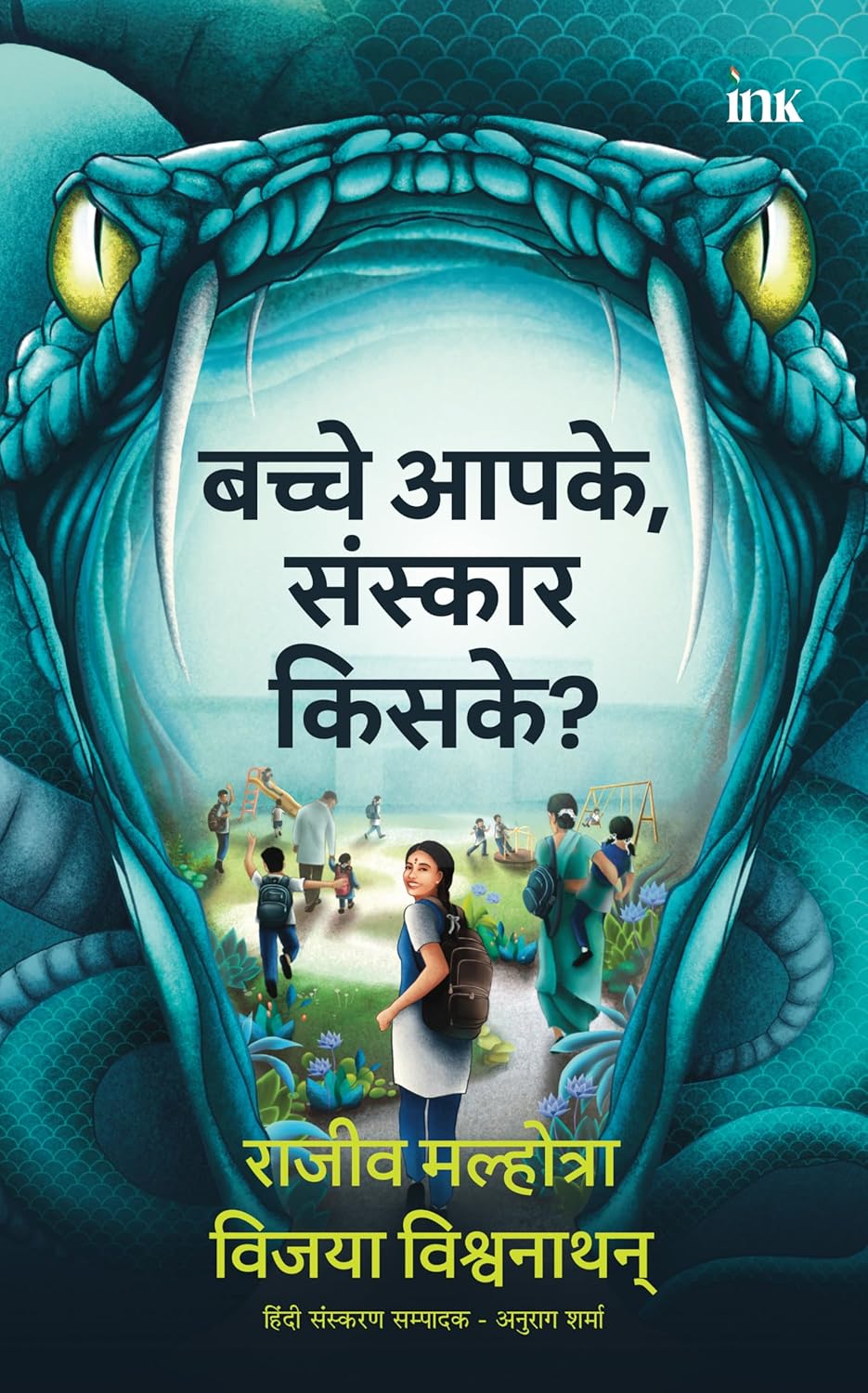
who is raising your children
The cover page depicts the gigantic serpent Aghasura, described in the Bhagavata Purana. Aghasura is shown deceiving the children of Vrindavan by keeping his mouth wide open and making it appear like the entrance to an attractive cave. This metaphor is used to highlight the dangers allegedly hidden within Western educational models being imported into India, which are said to entice both parents and children alike.
View Details →
Snakes in the Ganga
Snakes in the Ganga unveils uncomfortable truths concerning India's vulnerabilities: • Intense warfare against India's integrity is the work of a well-orchestrated global machinery driven by a new ideology. • Marxism has been reincarnated as Critical Race Theory in US academia and serves as the framework to address America's racism. This has been recklessly mapped on to India:Caste is equated with Race. Marginalized communities of India are considered as Blacks and Brahmins as the Whites of India. Groups claiming grievances (like Muslims and LGBTQ+) are artificially clubbed together. • Popularly called the Woke movement, the mission is to dismantle Indian civilization and heritage by waging an uncompromising war against India's government, educational institutions, culture, industry, and society. • Harvard University is Ground Zero of these social theories developed in collaboration with Indian scholars, activists, journalists and artists. This represents a clear and present danger to India's sovereignty and national security. • Several Indian elites are hoisting Harvard as the vishwa guru with their money and family names. Some private universities within India are importing Wokeism that has serious repercussions for India's stability. • Indian corporates are bringing the latest Western rubric of Environmental, Social, and Governance ratings into their workplace. This is aligned with the global Social Justice movement. • China has exploited this latest infrastructure as a passage to India. • Wokeism has penetrated some of the Indian government's policies. For instance, the National Education Policy 2020 is propagating Harvard's liberal arts. • An entire ecosystem of ideologies, institutions and young leaders is emerging for the recolonization of India. Is India for sale?
View Details →
“Infinity Foundation India continues to advance Indic knowledge  systems and civilizational discourse through research, publications, and public engagement.”
- Rajiv Malhotra
Mentor & Guide
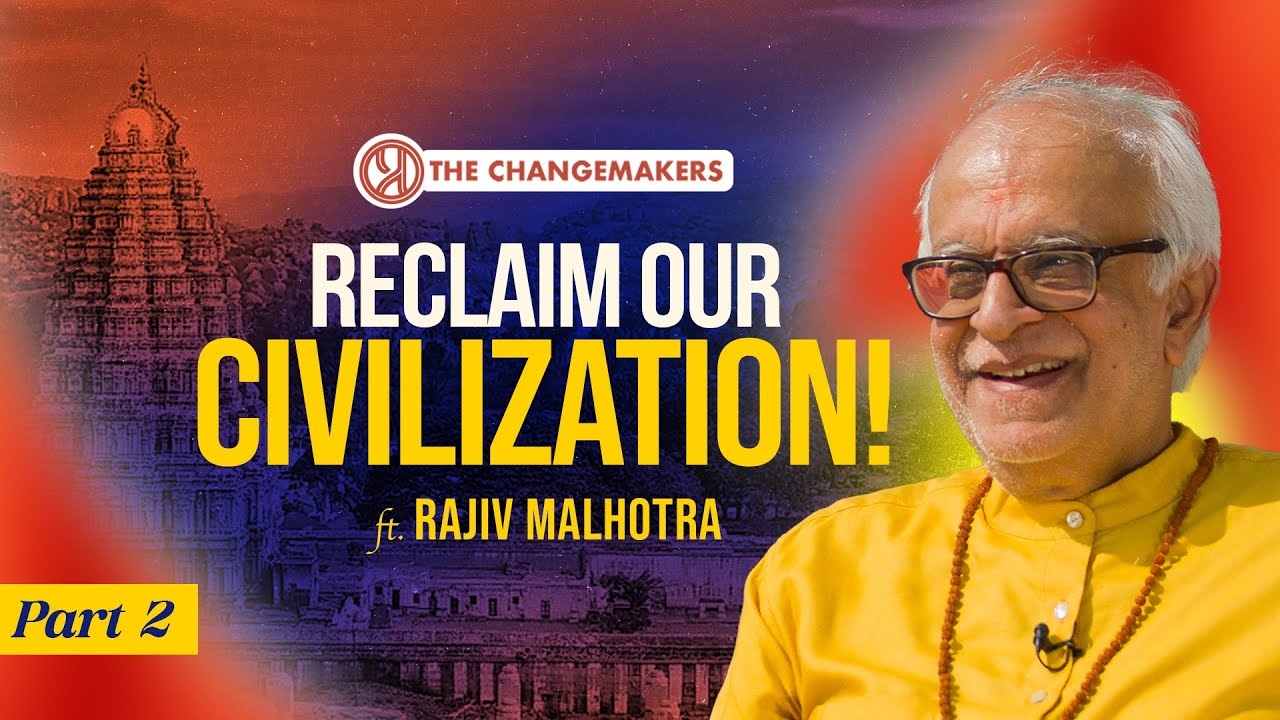
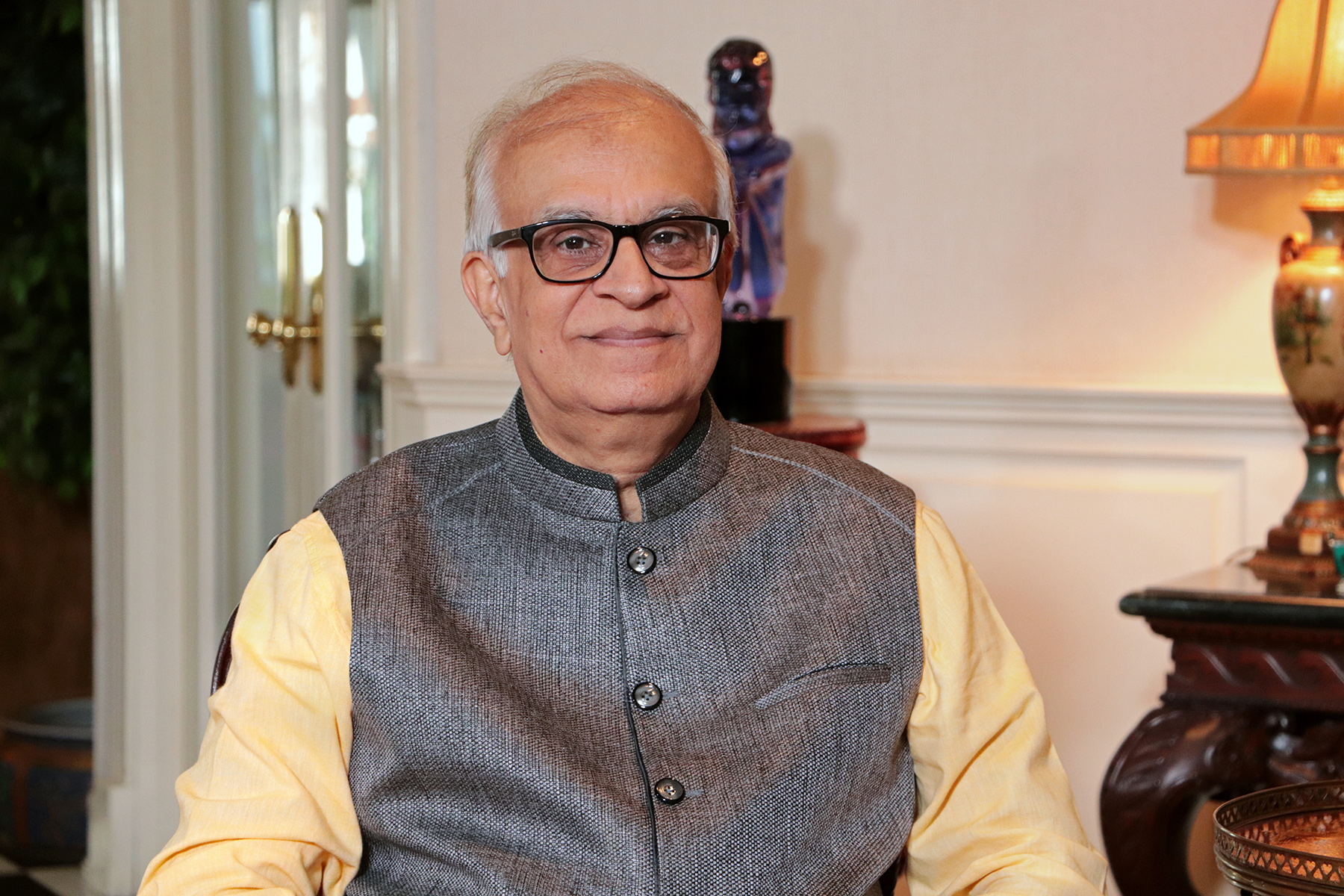
Rajiv Malhotra
Rajiv Malhotra was trained initially as a Physicist, and then as a Computer Scientist specializing in AI in the 1970s. After a successful corporate career in the US, he became an entrepreneur and founded and ran several IT companies in 20 countries. Since the early 1990s he has been researching civilizations and their engagement with technology from a historical.

Areas of Study

Jati, Varna & Caste
Investigates the evolution of caste structures, social identities, and traditional frameworks in Indian society. The field also studies contemporary debates, reform movements, and genetic or historical research surrounding social unity and diversity in India.
Women’s Studies
Focuses on the role of women in Indian society across history, family structures, cultural practices, and contemporary life. It also examines changing gender narratives, social reforms, and the impact of modern feminist thought.
Relationship of Buddhism, Jainism & Hinduism
Explores the philosophical, historical, and cultural interactions between India’s major dharmic traditions. The field studies shared ideas, debates, influences, and the evolution of religious practices over time.
Indian Social Fault Lines, NGOs & Foreign Nexuses
Examines social divisions, activism, and the role of institutions, NGOs, and foreign influence in shaping public discourse and policy in India. It studies how identity, politics, and external narratives intersect within Indian society.
Western Indology & Western Universalism
Critically studies Western academic approaches to Indian civilization, texts, and traditions. It explores themes such as philology, postmodern theory, Orientalism, and debates around representation, interpretation, and cultural frameworks.
Modern South Asian Studies in the West
Analyzes how South Asia is studied and represented in Western academia, think tanks, churches, and policy institutions. It investigates the influence of funding, geopolitics, and intellectual frameworks on these narratives.
Minority Studies
Focuses on the history, identity, and socio-political dynamics of minority communities in India, especially those with transnational religious or cultural connections. It studies relationships between local traditions, global institutions, and national identity.
Study of Inculturation, Digestion & Related Socio-Politics
Examines how Indian ideas, traditions, and spiritual systems are adapted, reinterpreted, or absorbed into other cultural and religious frameworks. It also studies the socio-political implications of cultural appropriation and transformation.
Chronology of Ancient History
Investigates timelines, historical dating methods, and interpretations of ancient Indian civilization. This field studies archaeological, textual, astronomical, and cultural evidence to reconstruct historical continuity and chronology.
Partners
Infinity Foundation India is a part of the BTN initiative.
Partners
Infinity Foundation India is a part of the BTN initiative.
Blogs
Subhodeep Mukhopadhyay
Artificial Intelligence: Boon or Threat?
Read Full
Subhodeep Mukhopadhyay
Unleashing Bharat’s Innate Entrepreneurial Spirit
Read Full
Subhodeep Mukhopadhyay
History needs to be History ! .. We need an Alternative To History
Read Full

Testimonials

"Swadeshi Indology initiatives play an important role in strengthening intellectual self-confidence rooted in Bharat’s heritage."

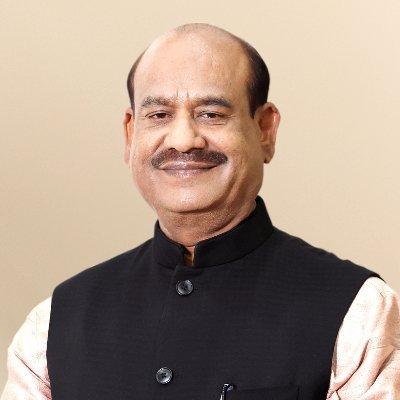
Om Birla

"Infinity Foundation India has done innovative and pathbreaking work in analyzing the Western lens used to study India."

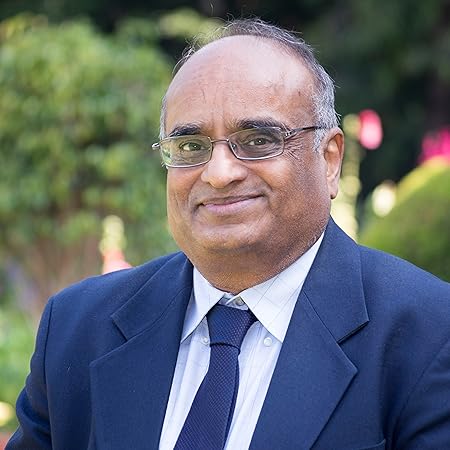
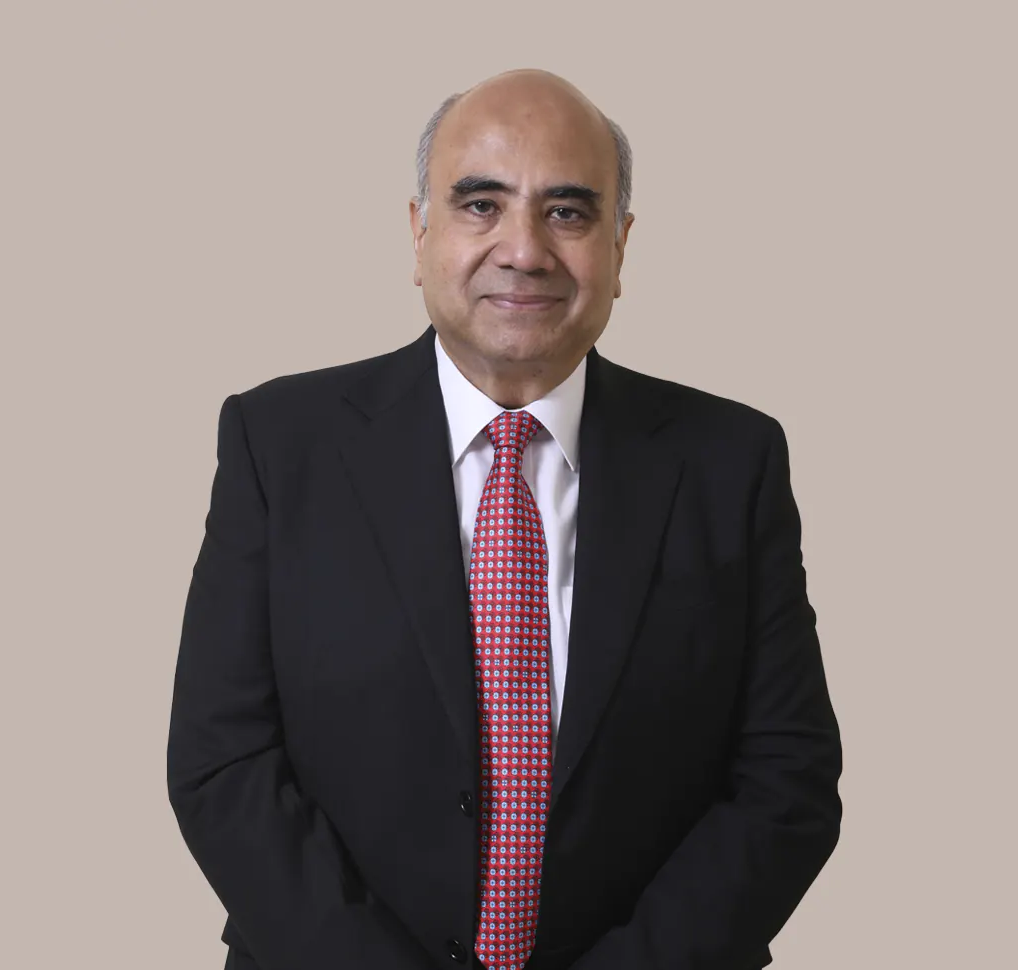
Prof. R. Vaidyanathan

"Infinity Foundation has encouraged Indian scholars to study Indology and preserve civilizational narratives through rigorous research."

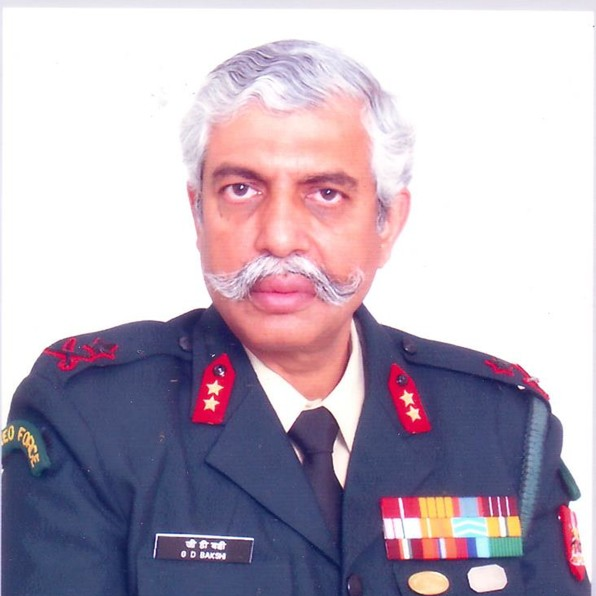
Major General G. D. Bakshi

"The tradition of dialogue and critical inquiry in Indian knowledge systems needs to be revived and strengthened."

Prof. V. N. Jha

"A new generation of scholars is emerging to carry forward pioneering work in civilizational studies."

Madhu Kishwar

"These works help preserve, interpret, and communicate Vedic knowledge traditions for contemporary audiences."

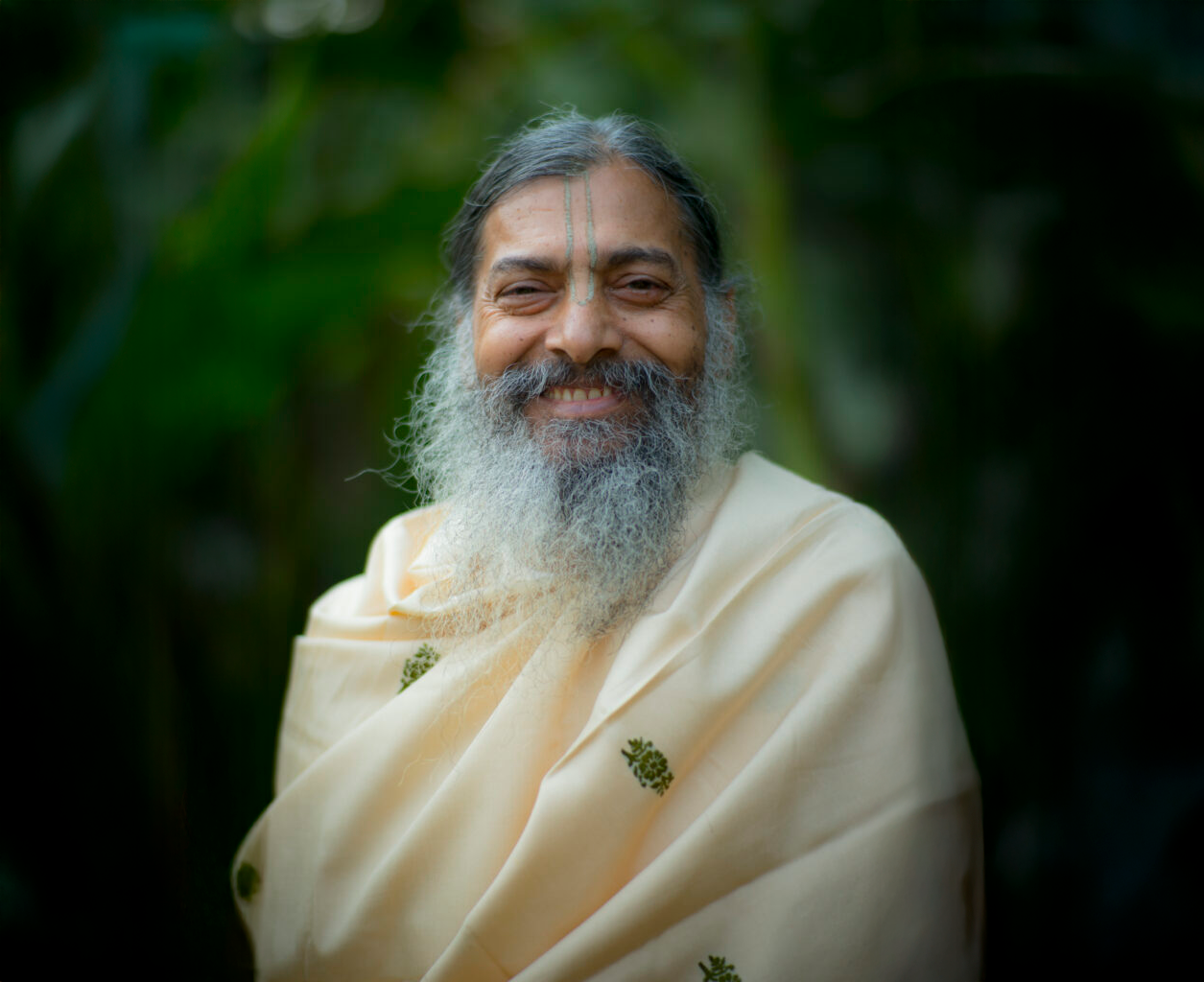
Babaji Satyanarayana Dasa

"The authors illuminate important institutional and cultural issues with clarity, depth, and persuasive scholarship."

Ron Gupta

"Rajiv Malhotra’s work brings originality and clarity to discussions on civilizational and philosophical differences."

C. Alex Alexander

"The scholarship explores deep philosophical and cultural distinctions that have often remained unexamined."

R. P. Singh

"Infinity Foundation contributes significantly to the decolonization of India studies and cultural discourse."

Kundan Singh

"These books provide an important platform for indigenous voices and perspectives in contemporary scholarship."

Hrishikesh A. Mafatlal

Testimonials

“Infinity Foundation India offers a rare space for rigorous scholarship, meaningful dialogue, and the preservation of India’s civilizational  knowledge.”

Tejas Rao

Researcher
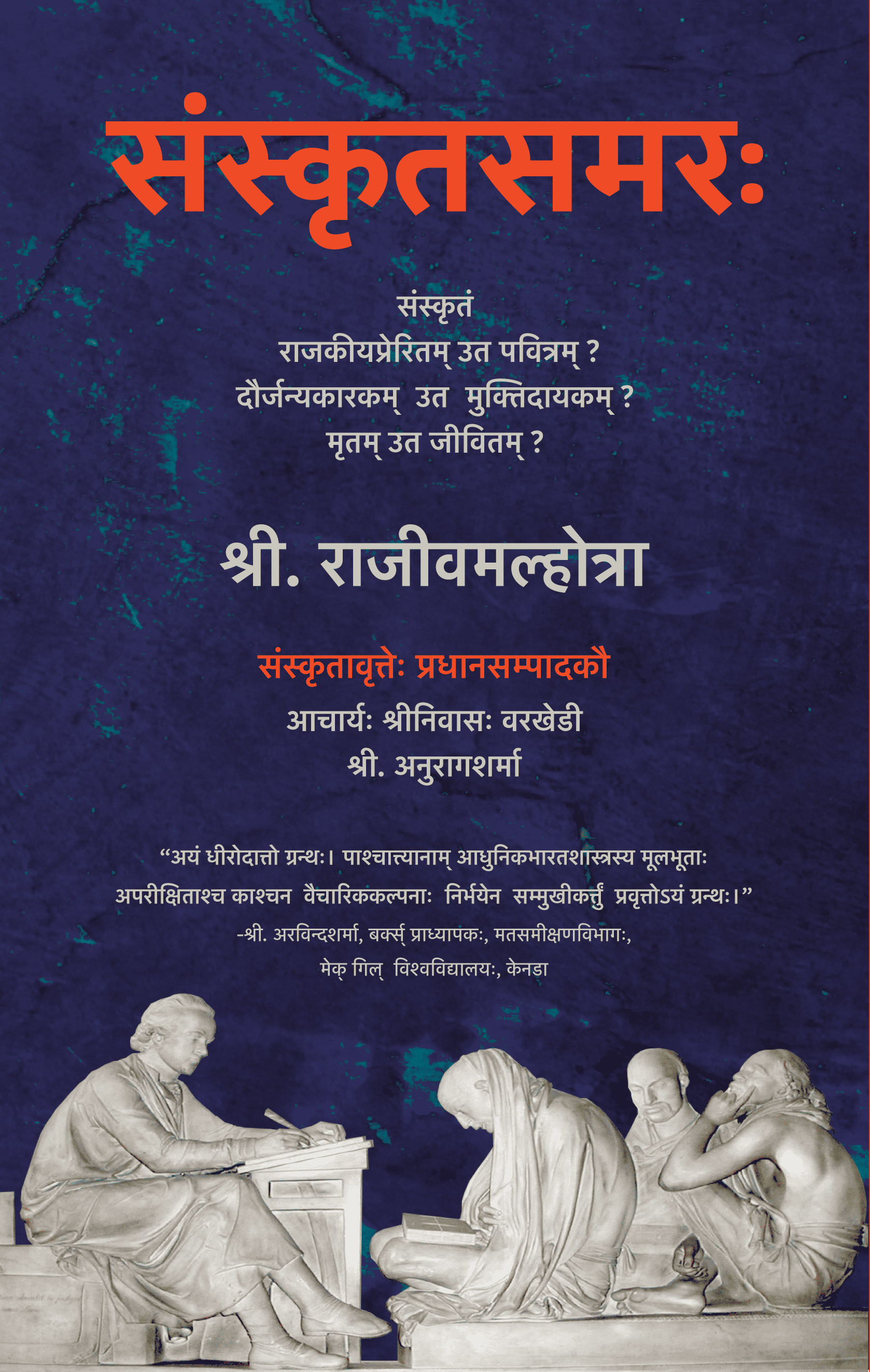
"The Battle for Sanskrit"  is a bold book, daring to take up some of the basic but unexamined assumptions of modern Western Indology.

Arvind Sharma

Birks Professor of Comparative Religion, McGill University
“Infinity Foundation India offers a rare space for rigorous scholarship, meaningful dialogue, and the preservation of India’s civilizational knowledge.”

Tejas Rao

Researcher
“Infinity Foundation India offers a rare space for rigorous scholarship, meaningful dialogue, and the preservation of India’s civilizational knowledge.”

Tejas Rao

Researcher
“Infinity Foundation India offers a rare space for rigorous scholarship, meaningful dialogue, and the preservation of India’s civilizational knowledge.”

Tejas Rao

Researcher
“Infinity Foundation India offers a rare space for rigorous scholarship, meaningful dialogue, and the preservation of India’s civilizational knowledge.”

Tejas Rao

Researcher
Contribute to preserving, publishing, and sharing Indic knowledge systems.
Help support research, conferences, and educational programs.
Donate Now